Microgen documentation

microgen is a Python library designed to facilitate microstructure generation and meshing. Here are its core features:
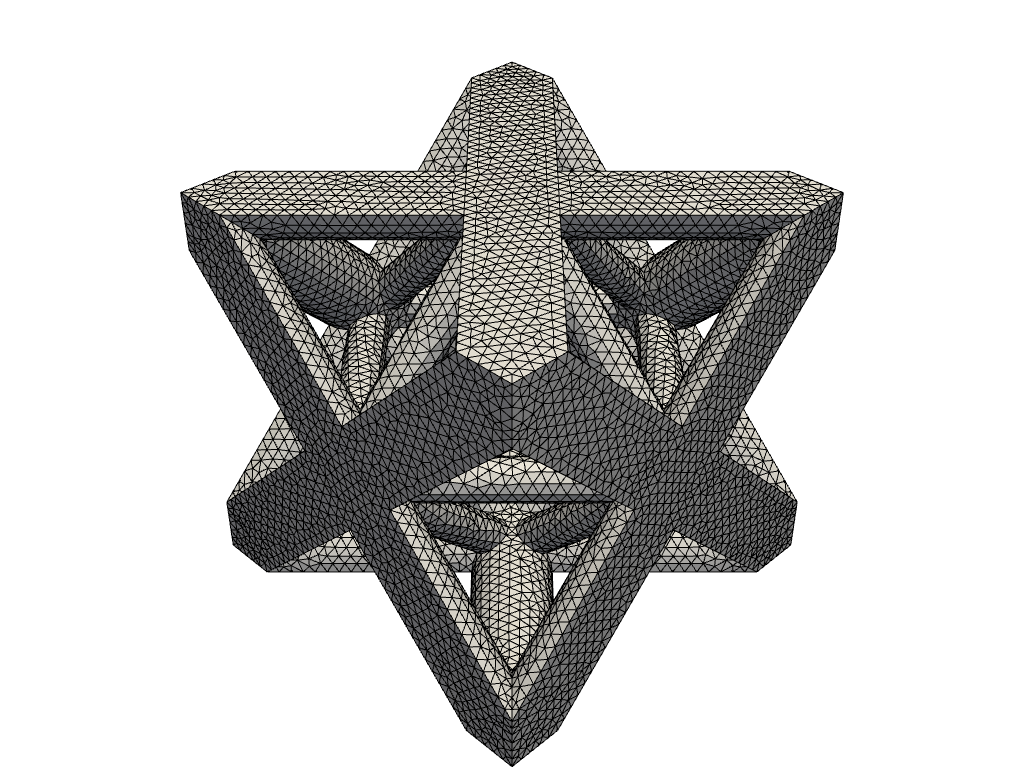
Repeated cells: Generation of lattice structures such as octet trusses and honeycombs.
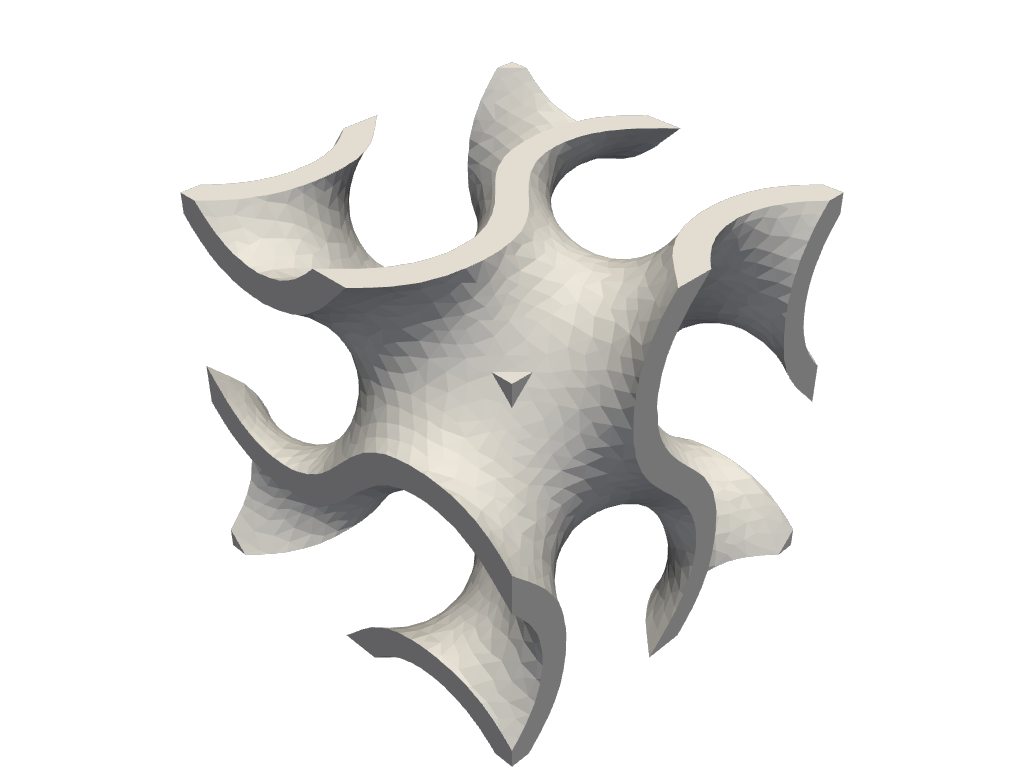
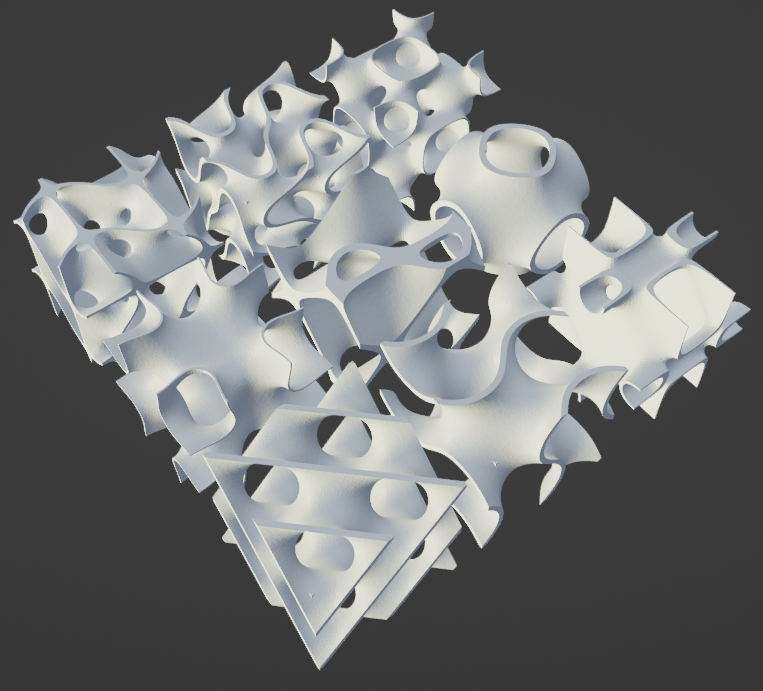
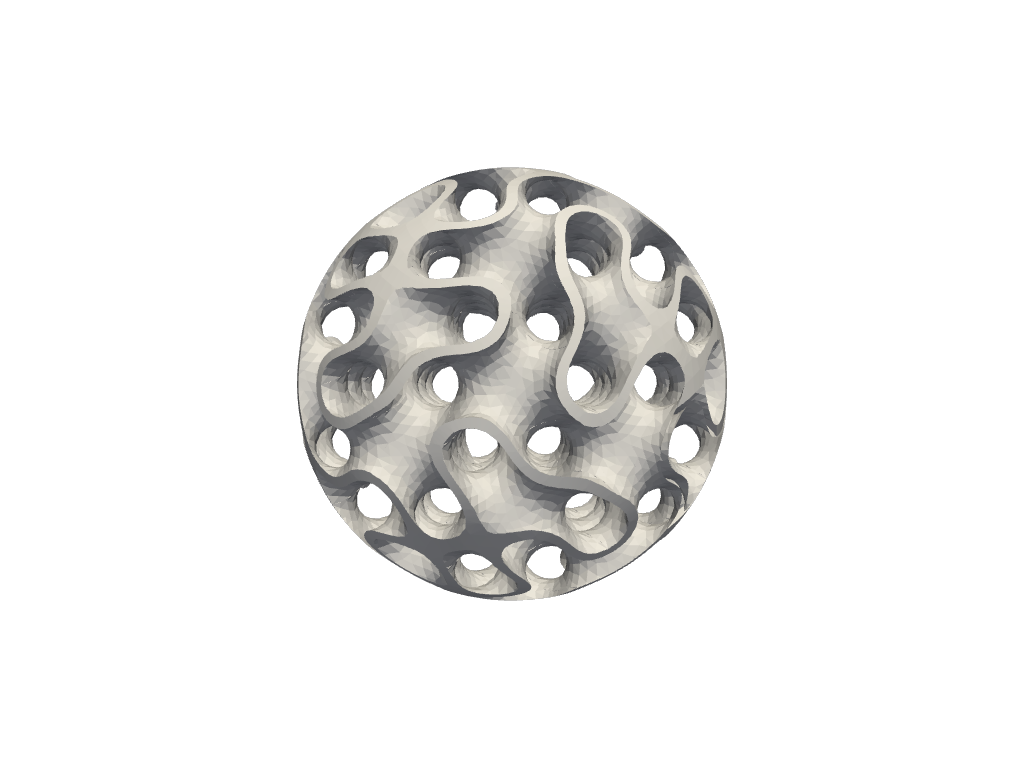
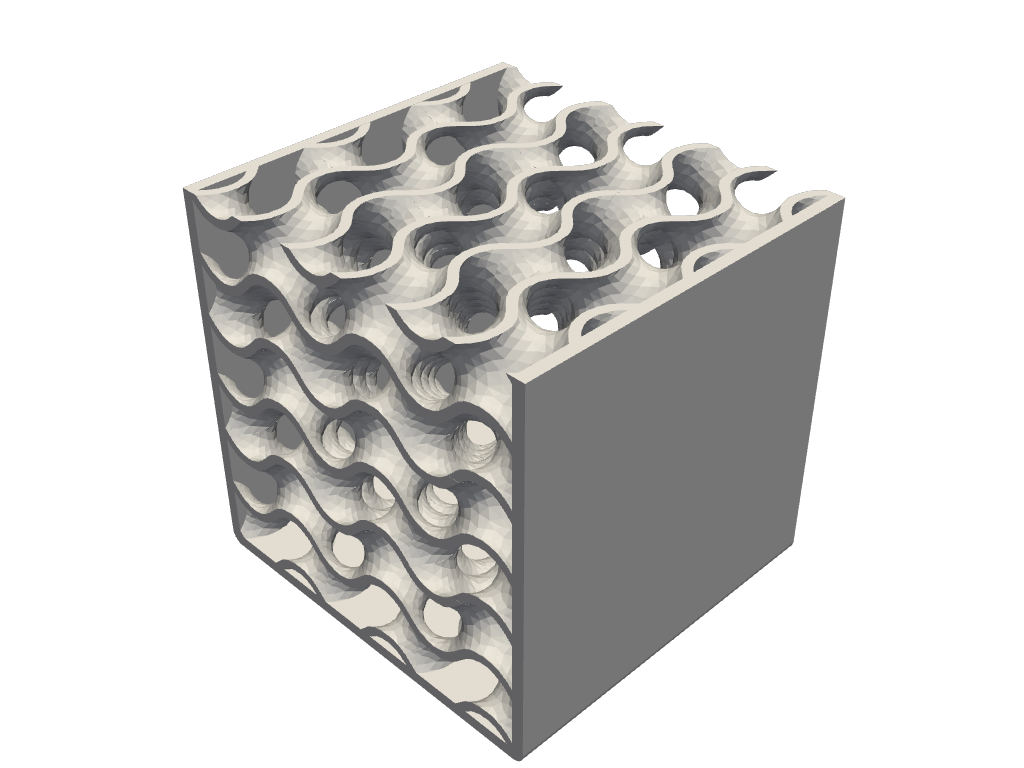
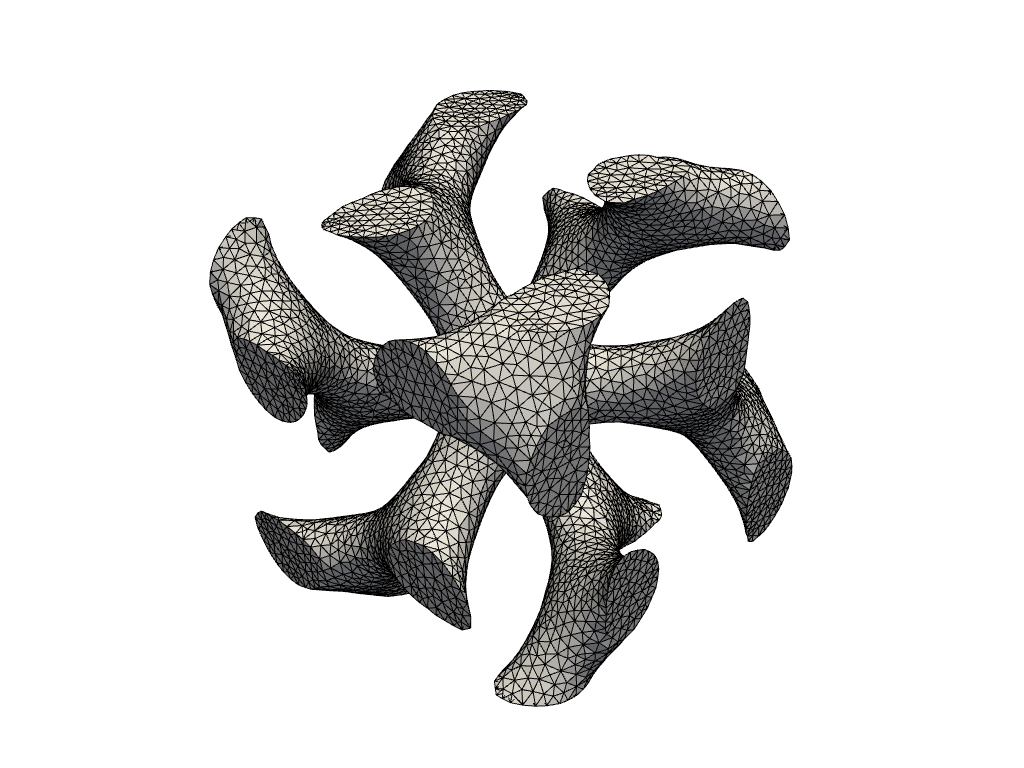
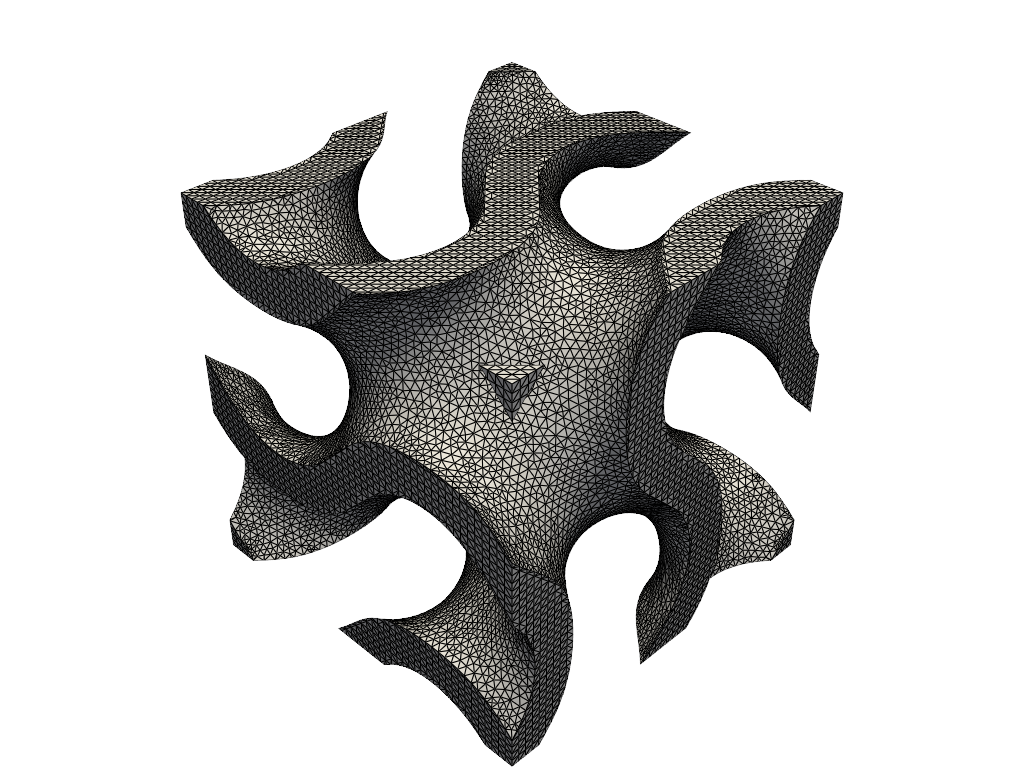
Triply Periodic Minimal Surfaces (TPMS): TPMS-based lattice generation known for favorable physical (mechanical, thermal, …) properties like low density and large surface area.
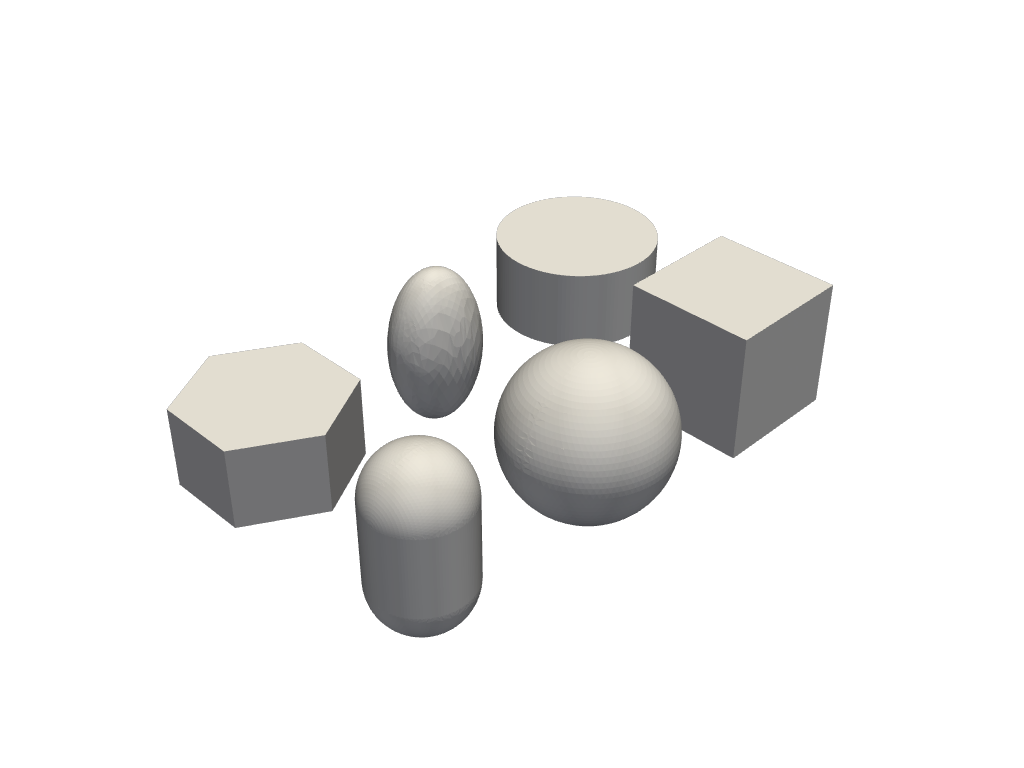
Virtual composites microstructures: Generation of basic reinforcement geometries, including spheres, cylinders, ellipsoids, and more.
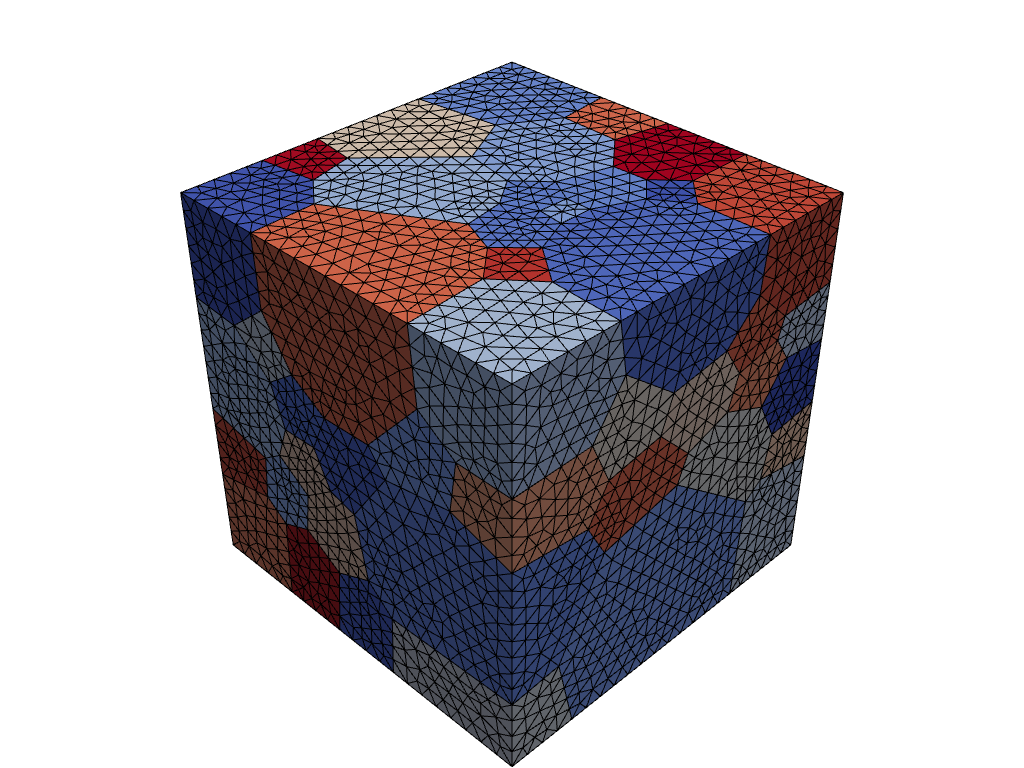
3D Voronoi tessellation: Simulation of granular materials and polycrystalline metals.
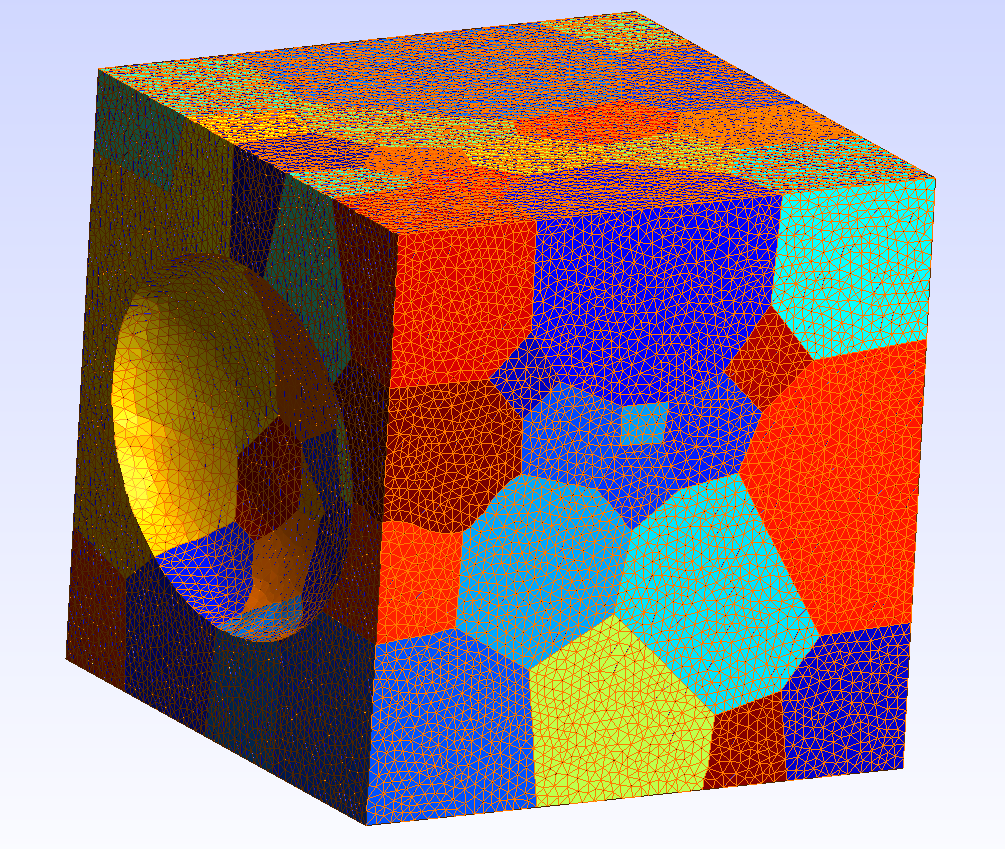
Meshing: Regular and periodic meshing using Gmsh, remeshing using Mmg.
Generation of 3D objects is achievable through functions that utilize Open CASCADE (via cadquery-ocp-novtk, the direct OCCT Python binding) or VTK (using PyVista). Neper offers tools for 3D tessellation, while Gmsh handles the generation of both regular and periodic meshes, with Mmg handling remeshing tasks.
The CAD path (.generate_cad() on shapes, Phase, fuse_shapes, periodic split, lattice CAD) is optional — install with pip install 'microgen[cad]'. The default pip install microgen gives you mesh + implicit-field (F-rep) workflows only, which is sufficient for many applications and has a much lighter dependency footprint (no OCCT, no VTK version pin).
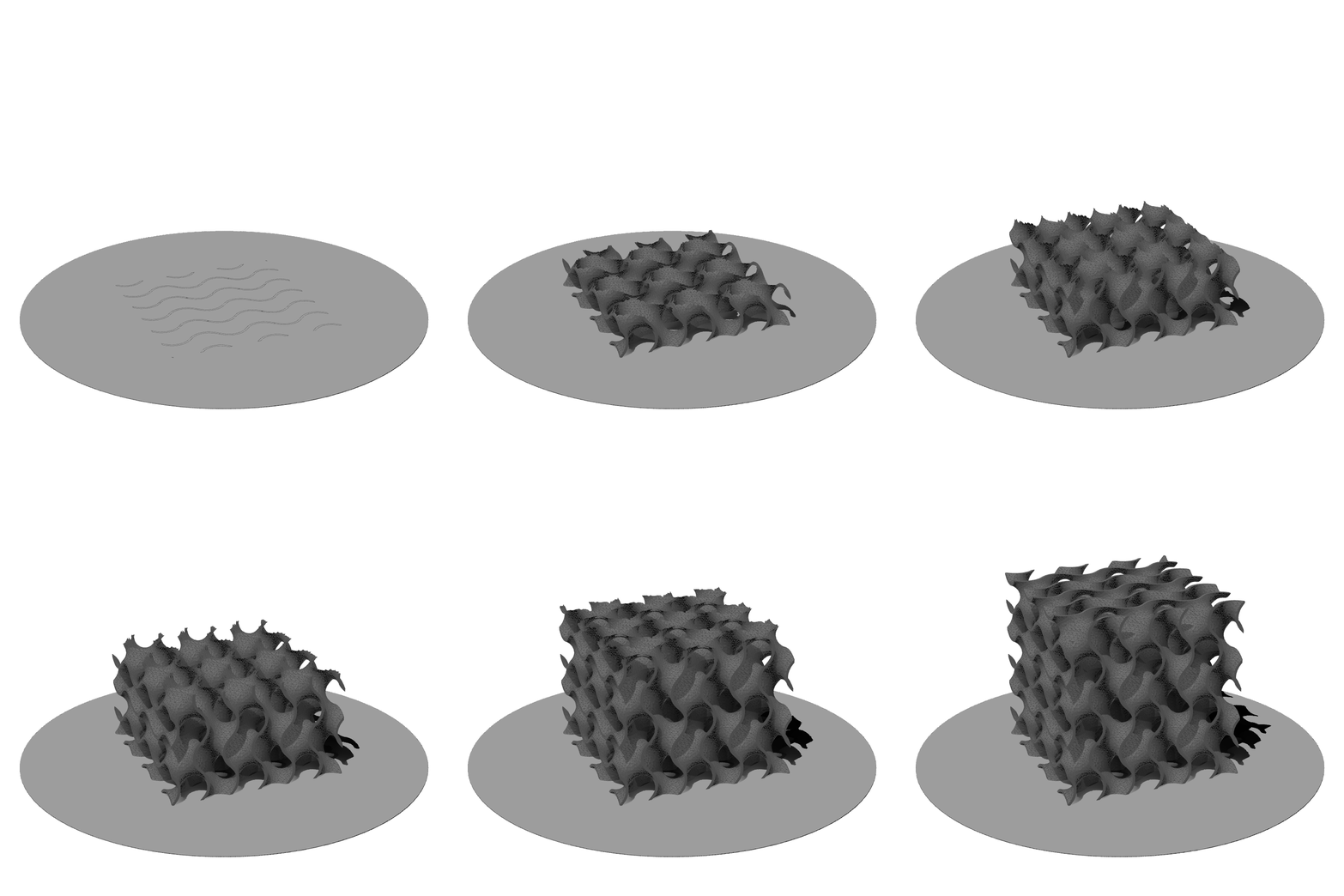
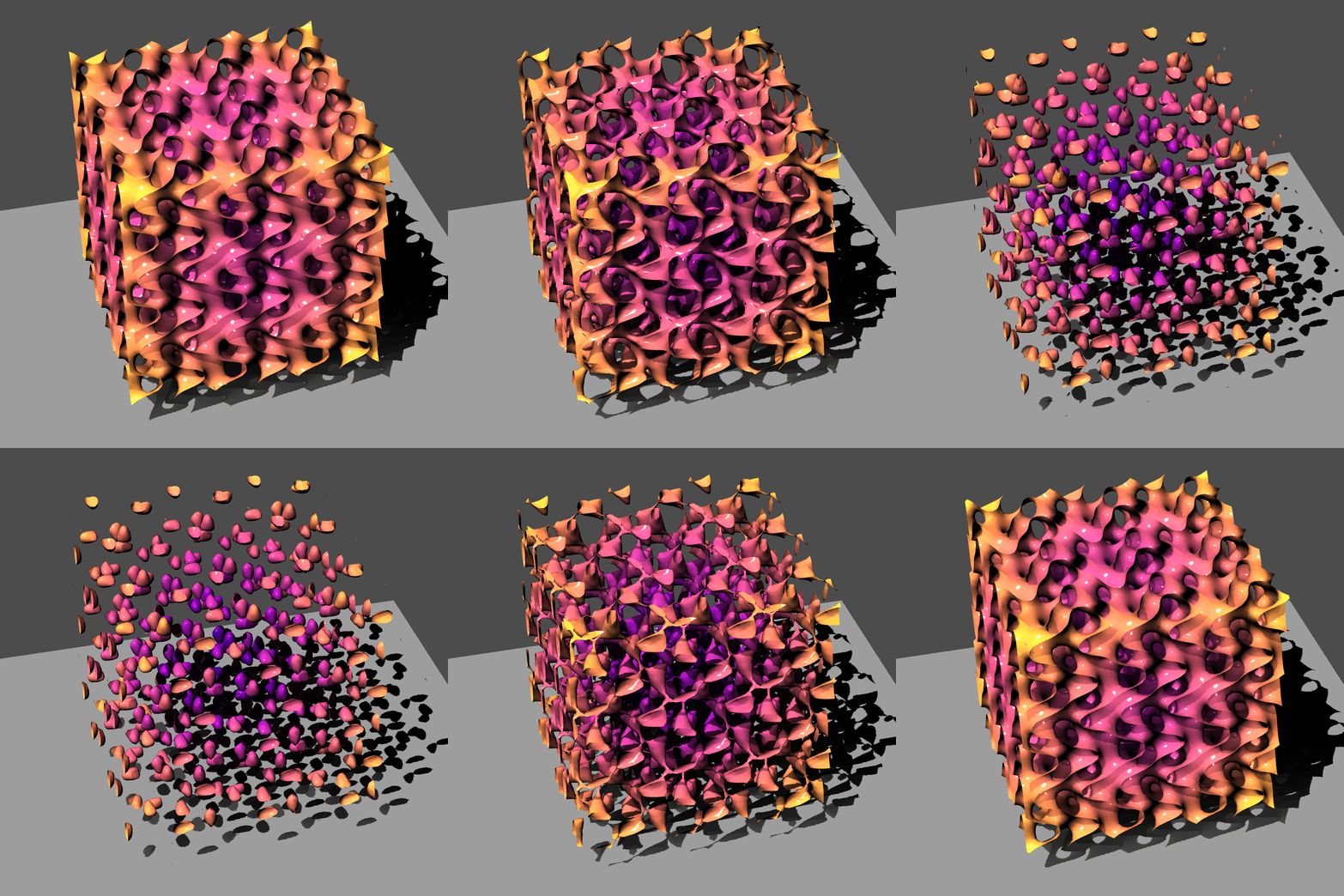
Hello, gyroid (implicit-first, no CAD needed)
from microgen import Phase, Tpms, surface_functions

gyroid = Tpms(surface_function=surface_functions.gyroid, offset=0.3)
phase  = Phase.from_shape(gyroid, resolution=80)

phase.surface_mesh().save("gyroid.stl")  # marching cubes from the SDF
print(f"COM = {phase.center_of_mass}, pieces = {len(phase.pieces)}")
A Phase built via Phase.from_shape carries the implicit field directly —
marching cubes, connected components (phase.pieces), and grid-quadrature
moments all run from the SDF, no OCCT required. CAD (phase.cad, STEP export,
gmsh setPeriodic) is materialised lazily and only needs the [cad] extra.
PyPI package |
|
Conda forge package |
|
Documentation |
|
Status |
|
Citation |
|
License |
|
Website |






Installation
Core (mesh + implicit-field / F-rep, no CAD kernel) — lighter, works with VTK 9.4+:
pip install microgen
With CAD capabilities (OCCT via cadquery-ocp-novtk, enables .generate_cad(), Phase, fuse_shapes, periodic split, lattice CAD):
pip install 'microgen[cad]'
With conda:
conda install conda-forge::microgen          # core
conda install conda-forge::microgen ocp      # core + CAD
Python version notes: Python 3.10 to 3.14 is supported on Linux, macOS (Apple Silicon), and Windows, for both core and [cad], on both PyPI and conda-forge.
What you can do in each mode:
Core install |
|
|
|---|---|---|
|
✅ |
✅ |
Implicit fields, TPMS F-rep, booleans |
✅ |
✅ |
|
❌ |
✅ |
|
❌ |
✅ |
Periodic split, lattice CAD export |
❌ |
✅ |
VTK 9.4+ |
✅ |
✅ |
To modify the sources, clone this repository and install microgen:
git clone https://github.com/3MAH/microgen.git
cd microgen
pip install -e .[all]
pre-commit install
The -e or --editable option allows to modify the sources without having to reinstall the package and [all] installs the optional development dependencies.
Run tests with pytest:
pytest tests -n auto
Examples
Click on the image to be redirected to the corresponding example on microgen’s documentation
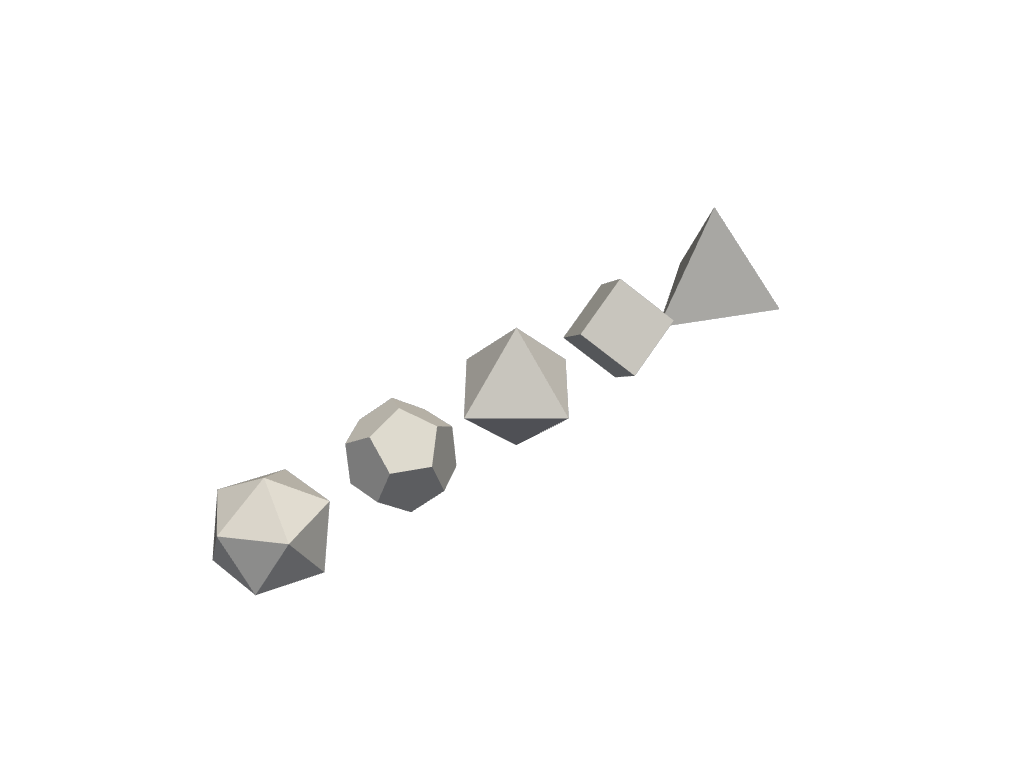
Basic shapes
Repeated cells
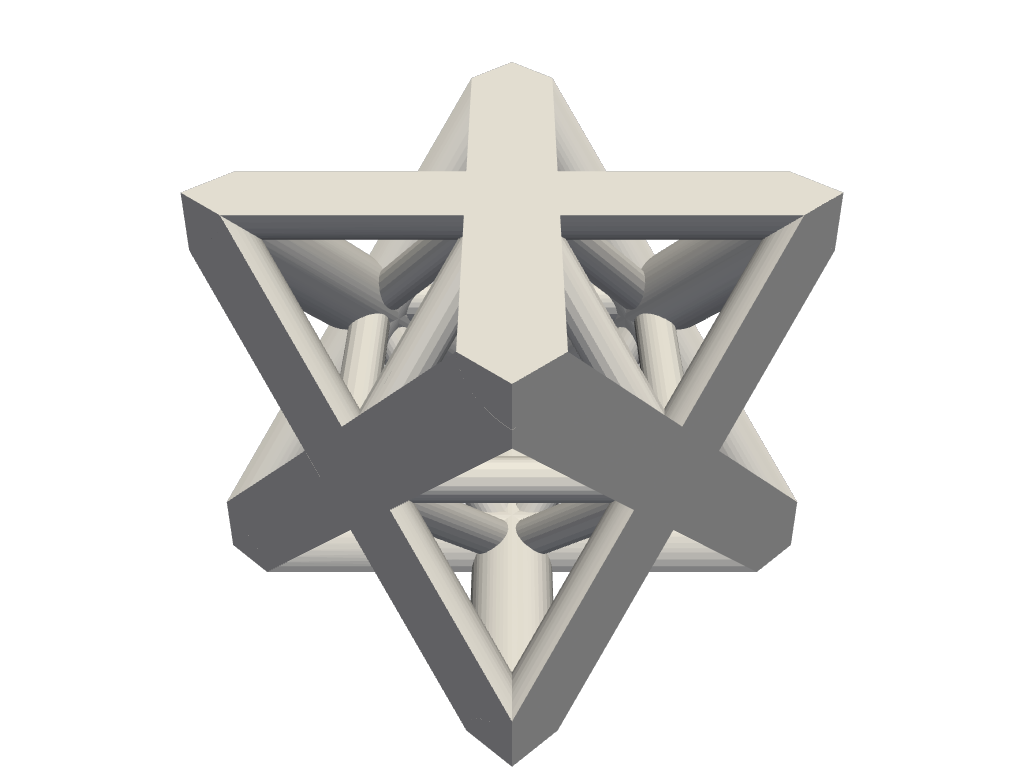
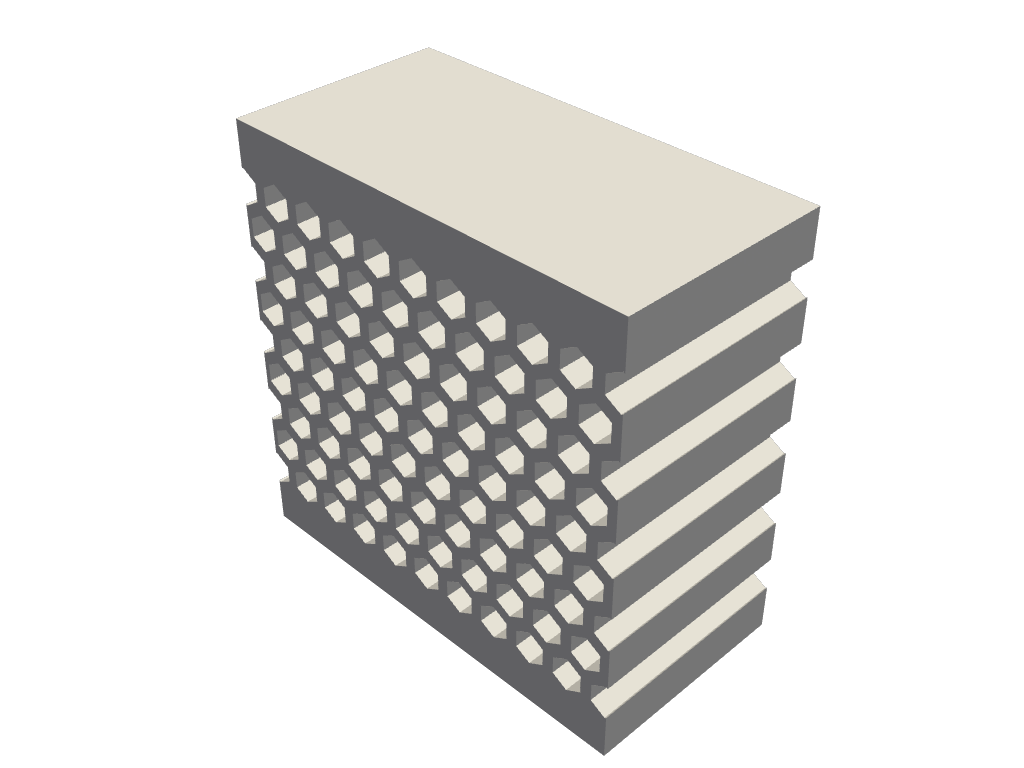
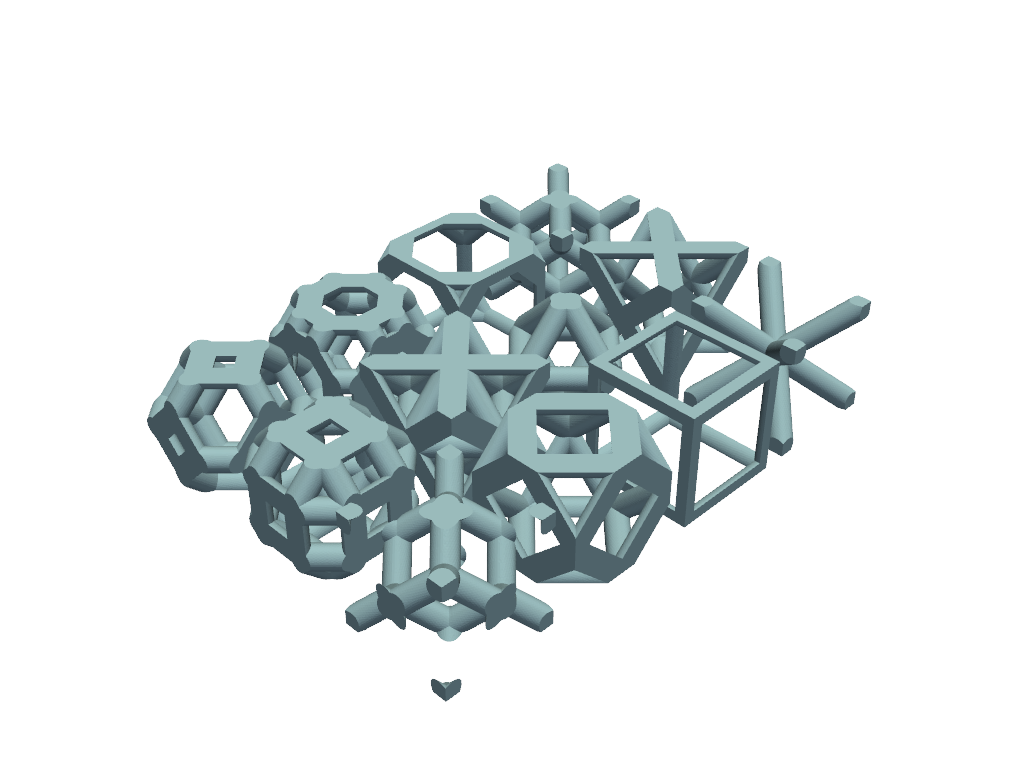
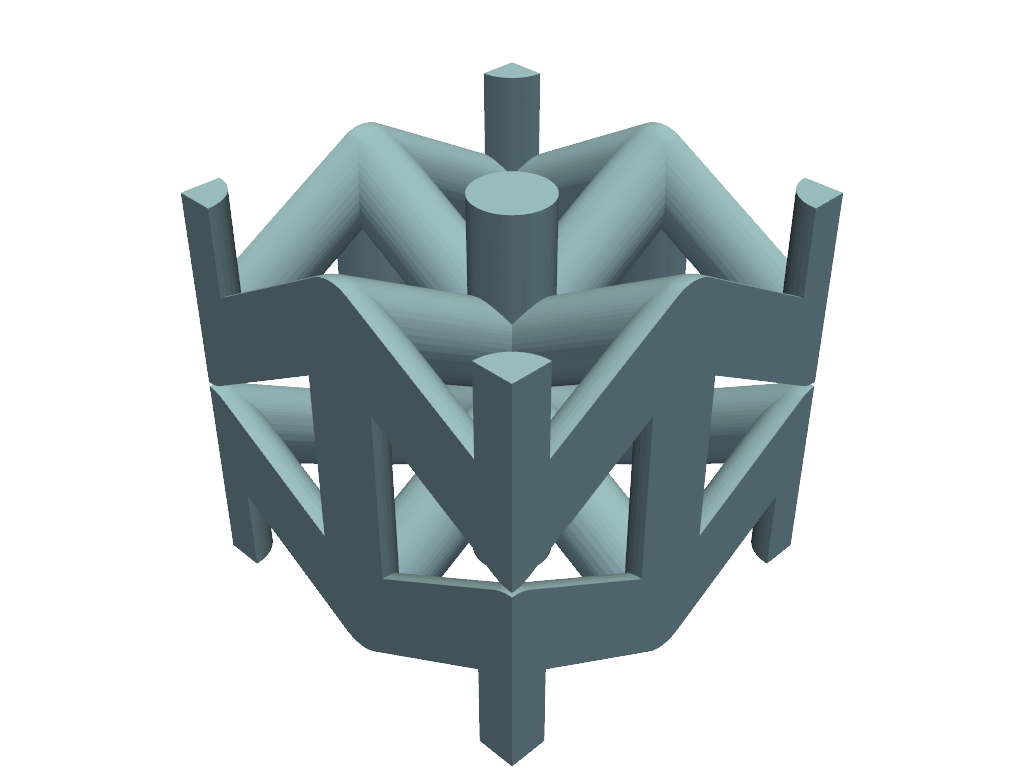
Strut-based Lattices
Triply Periodic Minimal Surfaces (TPMS)
3D operations
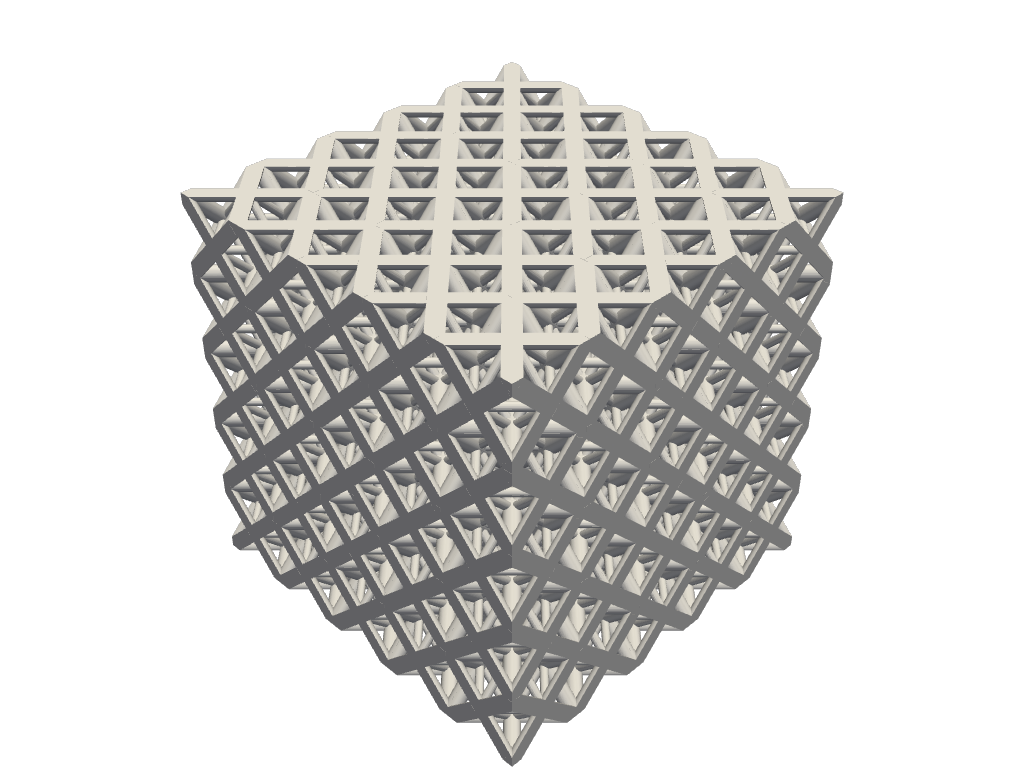
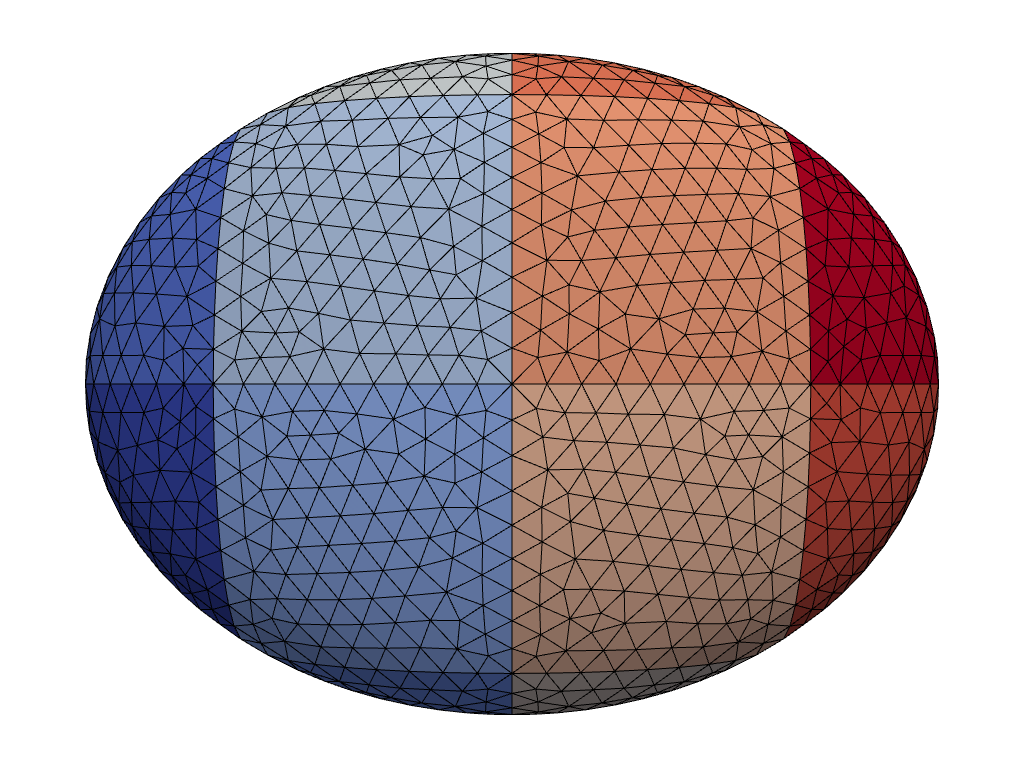
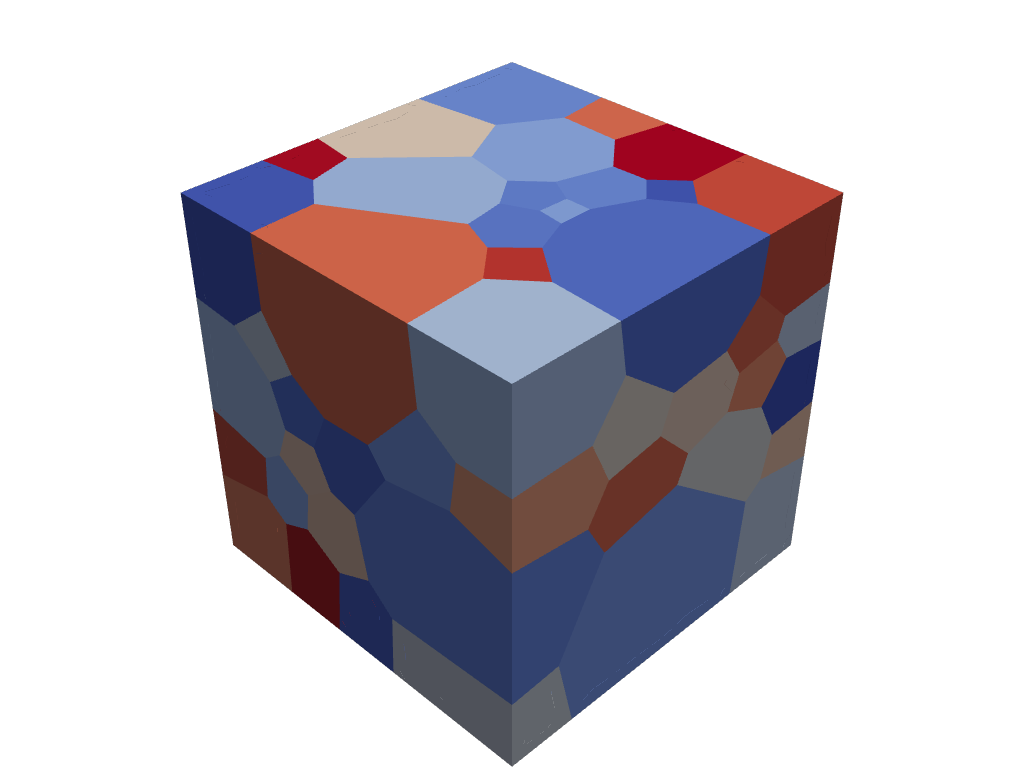
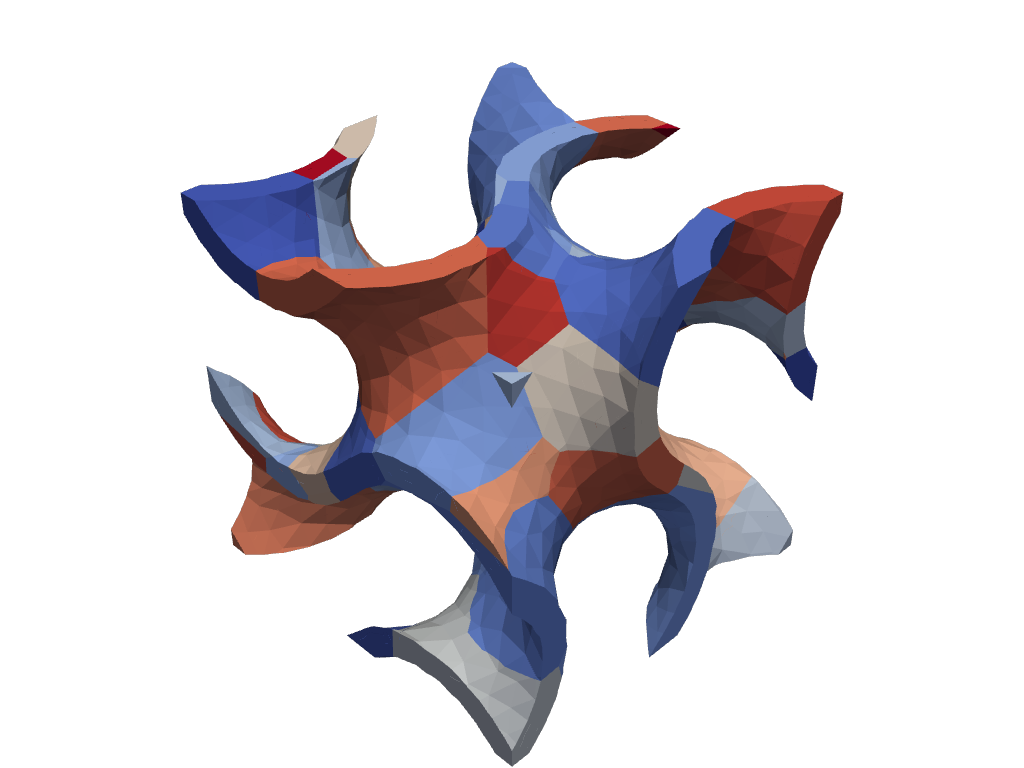
Mesh
Citation
If you use microgen in academic work, please cite it using the concept DOI, which always resolves to the latest archived version on Zenodo:
A BibTeX entry suitable for the latest release:
@software{microgen,
  author    = {Marchais, Kevin and
               Chemisky, Yves and
               Legerstee, Yasmin and
               Guevara Garban, Manuel Ricardo},
  title     = {{microgen: microstructure generation and meshing}},
  publisher = {Zenodo},
  doi       = {10.5281/zenodo.6793573},
  url       = {https://doi.org/10.5281/zenodo.6793573}
}
To cite a specific release instead of the concept, follow the concept DOI to its Zenodo page and pick the version DOI for the release you used. Machine-readable metadata is also available in CITATION.cff.
Table of contents
Introduction
Documentation